Evaluating the 2020 performance of the plastics industry, PAGDER Chairman Selçuk Gülsün stated: “We see that the acceleration in export growth in 2020 has become a driving force behind the expansion of the plastics sector.”
The Plastics Industry Is Expected to Grow by 5.7% by the End of 2020
Gülsün noted that although the industry grew by 3.9% in 2019, it had not yet regained its 2017 production level—but finally surpassed that threshold in 2020. He added:
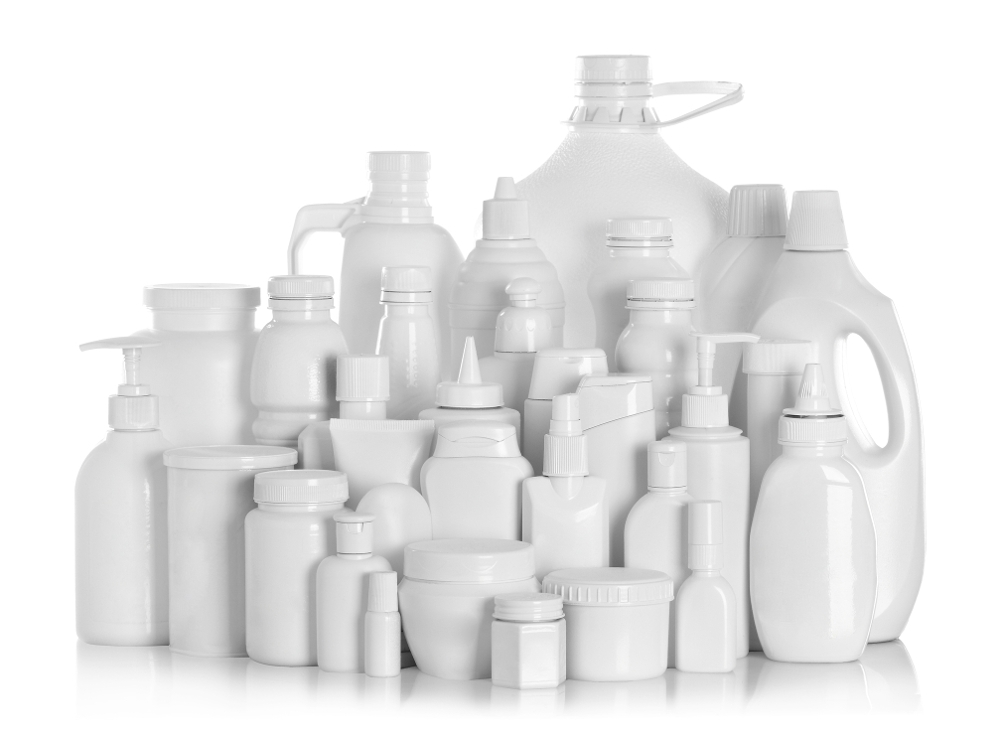
“After the currency shock in 2018 and the contraction experienced in the global automotive market in 2019, our industry went through two difficult years. In 2020, however, we expect the sector to grow by 5.7%. During the pandemic, which deeply affected the entire world, the consumption of plastic increased due to its critical role in maintaining hygiene and ensuring the continuity of supply chains. Thanks to its established production capacity and flexible structure, the Turkish plastics industry made a significant breakthrough in meeting this rising global demand. According to analyses conducted by our association, plastic products manufactured in Türkiye are expected to reach approximately 10.4 million tons by the end of the year.”
Exports Increased by 7.6% Due to the Pandemic
Gülsün continued:
“We expect plastics industry exports to increase by 7.6% by year-end. The most significant growth is seen in plastic films used for packaging, followed by substantial increases in engineering plastics and plastic construction materials.”
Emphasizing the importance of sustaining this upward trend triggered by the pandemic, he said:
“Increased global demand and the preference for Turkish products over Far Eastern alternatives must be solidified through promotional activities carried out by institutions such as the Türkiye Promotion Group.”
Steps Must Be Taken to Strengthen the Domestic Market
Highlighting that uncertainties caused by the pandemic will continue, especially in the first half of 2021, PAGDER’s Chairman stated:
“Although our industry has continued to grow through exports in 2020, during periods of uncertainty, having a strong domestic market is crucial for all manufacturing sectors. Recent exchange rate fluctuations and declining purchasing power have contracted the domestic market. Measures must be taken urgently to strengthen domestic demand, especially for companies obliged to operate locally and lacking export experience.”
Gülsün added that strengthening the domestic market would encourage the manufacturing sector to confidently invest in new projects:
“As in all developed countries, ensuring sustainable and long-term growth requires the advancement of our manufacturing industry.”
We Must Be Ready for the New Normal!
Stressing that the topic of circular economy—overlooked during the pandemic—will regain prominence afterward, Gülsün said:
“With the EU Green Deal and carbon border tax developments, circular economy will increasingly shape our agenda. To prepare for this transition, we must strengthen our recycling and waste separation systems and maintain our commitment to zero-waste targets. If short-term populist actions—such as banning waste imports, which could eliminate the recycling sector entirely—are taken instead of well-planned medium- and long-term policies, the export potential of the plastics industry will rapidly decline, and our country will be excluded from the newly forming global supply chains. Strengthening inspections and supporting a healthy recycling ecosystem will prepare our industry for the new normal.”